
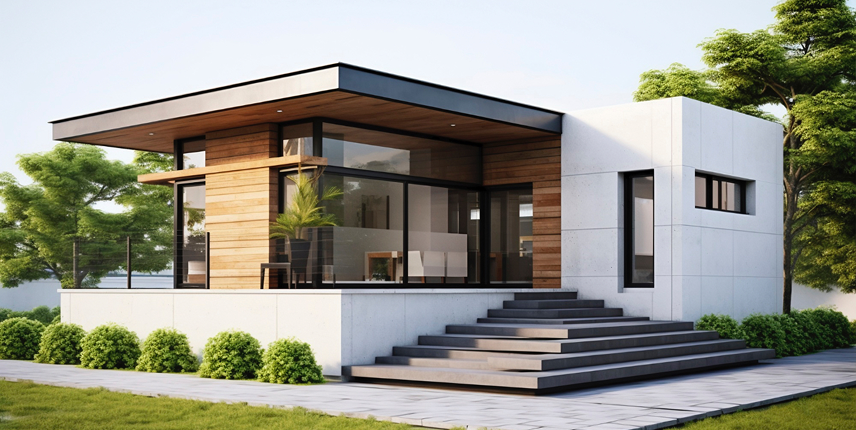
Defining Your Vision for Your Dream Home
Establishing a clear vision for your dream home is a crucial step in the planning process, as it forms the foundation upon which all subsequent decisions will be made. To begin, reflect on your personal style and consider the elements that resonate with you. This could encompass various architectural styles, color palettes, and decorative accents that speak to your individuality. Aesthetic preferences can provide a glimpse into the type of environment that you feel most comfortable and inspired in.
Next, it is essential to prioritize your needs and wants. Create a comprehensive list that distinguishes between what is essential and what is merely desirable. Consider practical aspects such as the number of bedrooms, layout functionality, and accessibility features. At the same time, think about your lifestyle and how it may necessitate specific spaces, such as a home office, a fitness area, or a family retreat. Understanding these priority aspects will ultimately guide your design choices and help maintain focus throughout the building process.
Gathering inspiration is a vital part of refining your vision. Explore various sources like home design magazines, websites, and social media platforms such as Pinterest and Instagram. These platforms enable you to discover an array of ideas and trends that can help clarify your desired outcome. To organize this inspiration effectively, consider creating a mood board or vision board. This visual representation of your ideas will help you see the overarching themes and styles you’ve collected, ensuring that your dream home will reflect your unique vision. Also making the decision on building a swimming pool.
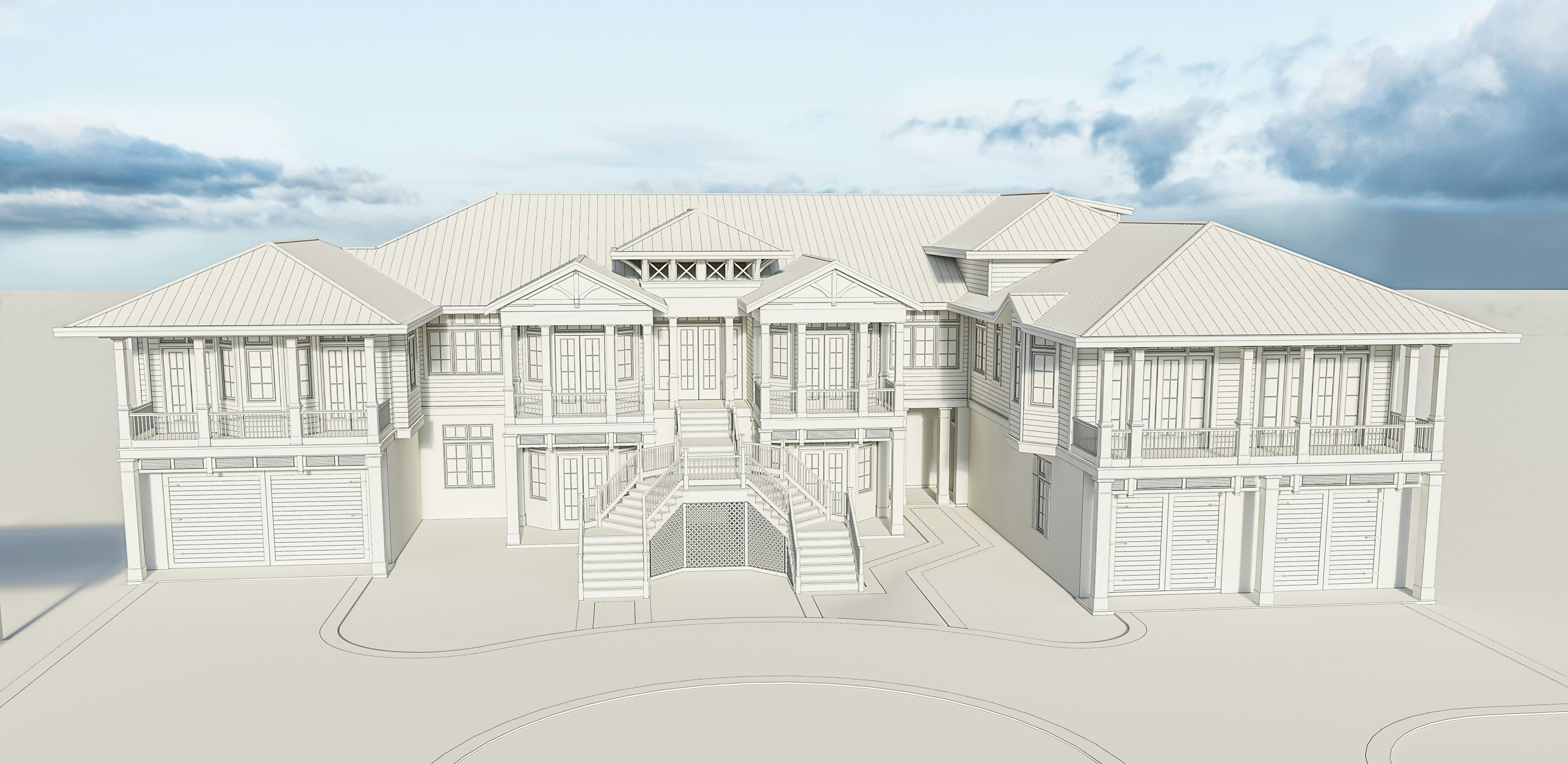
Set a Realistic Budget
Planning a budget for your dream home is one of the most crucial steps in the building process. It is essential to evaluate the entire scope of your financial resources and map out a plan that includes all potential costs. To begin, you should identify the cost of land, which can vary greatly depending on location, size, and local market conditions. Research thoroughly to obtain fair estimates on plots that meet your criteria.
Next, consider the construction costs, which encompass labor, materials, and design fees. You can consult with construction professionals to receive a ballpark figure, informed by your specific home design and desired features. Be sure to include expenses for materials such as roofing, insulation, flooring, and fixtures. This granular detailing ensures that every aspect of your building project is accounted for.
In addition to the visible costs, do not overlook permits and inspections mandated by local regulations. These can incur fees that may seem small compared to construction expenses, yet they are necessary for compliance and should be included in your budget.
Utilizing a contingency fund is highly advisable. This fund, typically ranging from 10% to 20% of your overall budget, allows for unexpected expenses that may arise during construction, such as design changes, labor costs fluctuations, or unforeseen site challenges.
Prioritizing your expenditures is vital in achieving financial sustainability. Identify the elements of your dream home that are non-negotiable versus those that could be adjusted if necessary. By doing so, you enhance the likelihood of realizing your architectural vision while maintaining financial health. Careful budget planning can transform what may seem like an abstract dream into a feasible reality.
Choosing the Right Location for Your Dream Home
When planning your dream home, selecting the right location is a critical aspect that can significantly impact your overall satisfaction. One of the first factors to consider is proximity to essential services such as workplaces, schools, and healthcare facilities. A convenient distance to work reduces commute times, creating a better work-life balance, which is fundamental for personal well-being.
Neighborhood safety is another crucial criterion. Researching crime rates and speaking with local residents can provide insights into the area’s safety. Many online platforms offer crime statistics, giving potential homebuyers a clearer picture of the neighborhood’s security and helping them feel more comfortable about their choice.
Amenities can greatly enhance one’s living experience, so it’s essential to evaluate the available conveniences in the area. Parks, shopping centers, restaurants, and recreational facilities can contribute to an enriched lifestyle. Additionally, consider the availability of public transport options and how they integrate with your daily commute. This aspect can be especially important for those who rely on public transit for work or leisure activities.
Furthermore, potential homebuyers should assess the future growth of the area. Researching local real estate trends and upcoming developments can indicate whether the location will appreciate in value over time. Areas with planned infrastructure improvements, new schools, or expanded commercial zones often experience growth, providing an excellent opportunity for investment.
By carefully considering these factors—proximity, safety, amenities, and growth potential—individuals can choose a location for their dream home that aligns with their lifestyle and budget. Taking the time to conduct thorough research will lead to a more informed decision, ultimately resulting in greater satisfaction with your new home.

Work with Professionals
When embarking on the journey to plan your dream home, it is imperative to collaborate with professionals who can provide the necessary expertise to bring your vision to fruition. Architects, builders, and interior designers each play critical roles in the home planning process, ensuring that your ideas are not only practical but also adhere to regulations and aesthetic standards.
Architects are responsible for developing the overall design and layout of your home. They possess the training and knowledge to translate your needs and preferences into functional living spaces. Engaging an architect early in the process can help identify potential challenges and solutions, ultimately saving you time and money in the long run. They will also consider factors such as site conditions, zoning laws, and environmental impact, which are crucial to the integrity of the project.
Builders, on the other hand, are essential for executing the architect’s design. They bring the technical skills needed to construct your home, manage the timeline, and coordinate various tradespeople. Selecting a trustworthy builder who has experience with similar projects can ensure that the construction process runs smoothly and stays within budget. Effective communication between you, the architect, and the builder is vital; consider regular meetings to discuss progress and address any concerns.
Interior designers add the final touches to your home, focusing on aesthetics and functionality in the interior spaces. They can help select materials, furniture, and colors that align with your vision while keeping in mind your lifestyle needs. When choosing an interior designer, review their portfolio for a style that resonates with you and ensure they understand your preferences.
In managing relationships with these professionals, establish clear communication channels and set expectations regarding timelines, budgets, and objectives. Regular updates and feedback will help keep everyone aligned and foster a collaborative environment, which is key to successfully realizing your dream.