
Introduction to Texas Home Design Trends
In the evolving landscape of real estate, home design trends play a crucial role, particularly in Texas, where diverse cultural influences shape architectural styles and interior aesthetics. It is essential for builders, designers, and potential buyers to stay updated on these trends, as they not only reflect current consumer preferences but also significantly impact property value and marketability.
The unique blend of Texan heritage, including elements from Spanish, Mexican, and Native American cultures, creates an intriguing tapestry that informs local architectural choices. Understanding these influences allows stakeholders to appreciate what appeals to Texas homeowners and how these preferences can affect purchase intentions.
Design trends in Texas often emphasize a connection to the outdoors, large living spaces, and energy efficiency, which resonate deeply with the lifestyle of many residents. As buyers increasingly seek homes that cater to their changing needs—such as remote workspaces or sustainable practices—recognizing these trends becomes pivotal for successful transactions.
Moreover, it is important to acknowledge the cyclical nature of trends; what captures attention today may evolve or fade as new influences emerge. Hence, staying informed about current Texas home design trends not only enriches knowledge but also provides strategic advantages in a competitive real estate marketplace. By comprehensively understanding these shifts, real estate professionals can adapt their strategies accordingly, ultimately driving sales and motivating potential buyers.
Popular Architectural Styles in Texas
Texas boasts a rich tapestry of architectural styles, each resonating deeply with the state’s diverse culture and climate. Among the most prominent styles currently gaining traction is the modern farmhouse. This style skillfully blends traditional charm with contemporary design elements. Characterized by its expansive porches, open floor plans, and the use of natural materials, the modern farmhouse appeals particularly to families seeking a comfortable yet stylish living environment. The combination of rustic wood finishes and modern amenities creates a sense of warmth that encourages a cozy lifestyle.
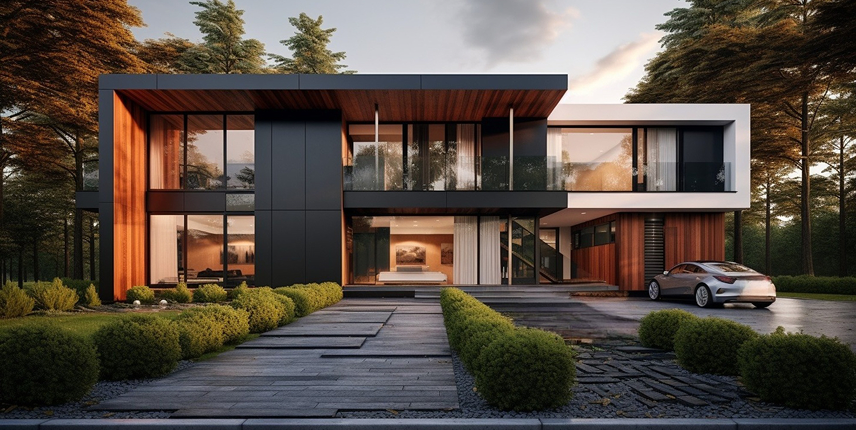
Another architectural style making substantial waves is contemporary design. This style emphasizes simplicity and minimalism, showcasing clean lines and functional spaces. Contemporary homes often feature large windows that invite ample natural light, promoting an open and airy atmosphere. The use of sustainable materials is also significant in contemporary architecture, attracting environmentally conscious buyers looking to reduce their ecological footprint. This approach not only enhances aesthetic appeal but also aligns well with a growing trend towards sustainability, thereby influencing purchasing decisions.
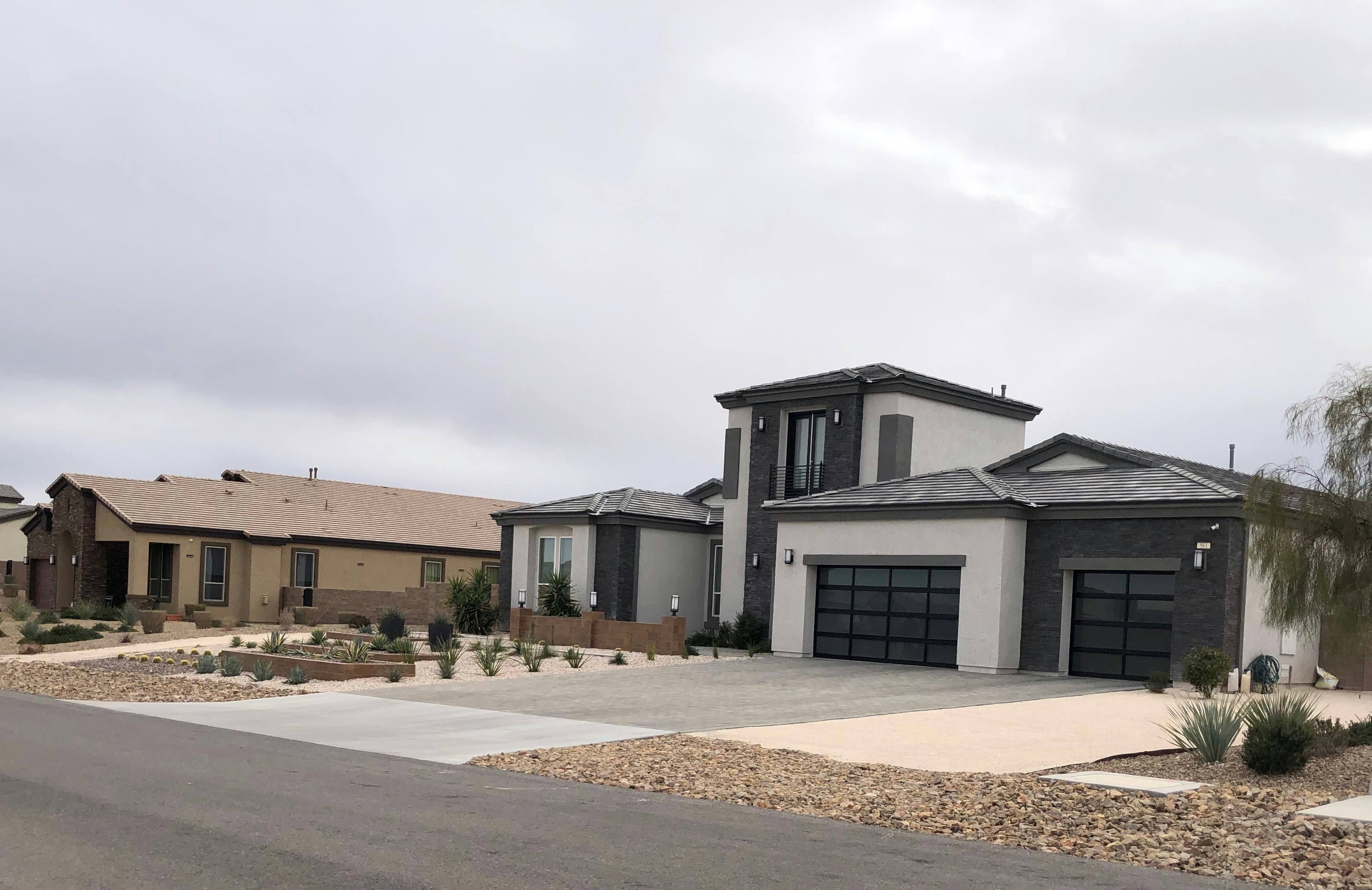
Lastly, the Tuscan style stands out with its elegant and timeless characteristics, drawing inspiration from the rural villas of Italy. Defined by warm colors, textured stone exteriors, and terracotta roof tiles, Tuscan architecture reflects a rustic charm that appeals to those seeking a luxurious yet inviting home. The incorporation of rustic beams and intricate details contributes to its allure, often attracting affluent buyers aiming for both beauty and comfort. Each of these architectural styles—modern farmhouse, contemporary, and Tuscan—not only showcases unique aesthetic qualities but also addresses the varying preferences of Texas residents, ultimately driving their transactional responses in the real estate market.
Sustainable and Eco-Friendly Design Practices
In recent years, sustainable and eco-friendly design practices have emerged as significant trends within the Texas home design landscape. Homebuyers are increasingly prioritizing environmental responsibility, which has driven the integration of energy-efficient appliances, solar panels, and sustainable building materials into modern homes. These features not only contribute to a healthier planet but also appeal to prospective buyers looking for long-term financial benefits.
One of the most impactful changes in home design involves the use of energy-efficient appliances. These appliances, which include refrigerators, dishwashers, and washing machines, consume significantly less energy than their conventional counterparts, resulting in lower utility bills. Homebuyers are recognizing that these energy-efficient options align with their desire to reduce environmental footprints while simultaneously securing savings over time. Consequently, homes equipped with these appliances often attract more interest in the housing market.
Furthermore, the adoption of solar panels offers an eco-friendly solution that is rapidly gaining popularity. Solar installations not only decrease dependence on traditional electricity sources but also provide potential tax benefits and incentives. Many Texas homeowners appreciate that solar panels can enhance property value, thereby incentivizing prospective buyers to consider homes utilizing renewable energy technologies.
The choice of sustainable materials in construction is another fundamental aspect of eco-friendly design. Utilizing reclaimed wood, bamboo flooring, and recycled materials not only minimizes waste but also satisfies the growing consumer preference for homes built with natural resources. Buyers increasingly seek out these sustainable designs, which align with their lifestyles and values, encouraging quicker sales and potentially higher pricing.
In summary, the rise of sustainable and eco-friendly practices in Texas home design is reshaping the housing market. By incorporating energy-efficient appliances, solar technology, and sustainable materials, homeowners enhance their properties’ appeal, ultimately leading to significant transaction responses from a growing demographic of environmentally-conscious buyers.
Open Concept Living Spaces
The trend of open concept living spaces has gained significant popularity among Texas homebuyers, reflecting a shift towards designs that prioritize functionality and social interactions. This layout typically combines the kitchen, dining area, and living room into a single, expansive area, facilitating a more connected and airy ambiance. Prospective buyers are increasingly seeking homes that offer this fluidity, as it not only enhances the spatial perception but also encourages family gatherings and entertaining.
One of the primary reasons individuals are drawn to open concept designs is the increased sense of space. Traditional compartmentalized layouts often lend a feeling of confinement, whereas an open floor plan can make a home feel considerably larger and more inviting. This design strategy fosters an environment that is conducive to both relaxation and socializing, making it an attractive feature for families and individuals alike. With clear sight lines throughout the area, homeowners can easily interact with guests or family members, even while cooking or performing daily tasks.
Moreover, the open layout promotes better natural lighting, as fewer walls mean more windows can be utilized to illuminate the space. This not only enhances the aesthetic appeal of a home but also contributes to energy efficiency, which is a selling point for many potential buyers. Additionally, an open concept home provides ample opportunities for personalized decor and design, allowing homeowners to express their style more freely than in more segmented spaces.
The trend toward open concept living spaces is not merely a design preference; it also significantly impacts buying decisions. As buyers envision their lifestyles and interactions within a home, they often favor layouts that facilitate connection and engagement. Thus, developers and real estate agents are increasingly incorporating open floor plans into new constructions and renovations to meet the evolving demands of the market.
Outdoor Living Areas and Landscaping
The trend towards outdoor living spaces has gained significant traction in Texas home design, reflecting a broader shift towards creating environments that marry indoor comfort with the natural beauty of the outdoors. Patios, outdoor kitchens, and landscaped gardens are increasingly becoming essential components of modern homes. These features not only enhance aesthetic appeal but also serve as functional spaces for entertaining and relaxation.
Outdoor living areas have evolved to include well-appointed kitchens complete with grills, sinks, and ample counter space, enabling homeowners to enjoy culinary experiences while basking in the pleasant Texas weather. These spaces facilitate social interaction, inviting friends and family to gather for meals outdoors, thus creating lasting memories in a comfortable environment. Furthermore, by integrating elements such as fire pits and cozy seating areas, homeowners can extend their enjoyment of these spaces into the cooler evenings.
Landscaping plays a pivotal role in enhancing the outdoor experience. Thoughtfully designed gardens can provide a serene backdrop, enhancing privacy and contributing to the overall ambiance of the home. Incorporating native plants not only minimizes maintenance but also promotes sustainability, which is increasingly valued by prospective homebuyers. Beautifully landscaped outdoor spaces can serve as an alluring focal point, making a home more attractive in the competitive Texas real estate market.
The emphasis on seamless indoor-outdoor living experiences cannot be understated. Features such as large sliding glass doors and expansive windows create a cohesive transition between the indoors and outdoors, allowing natural light to flood the interior while offering picturesque views of the landscape. This connection with nature has proven to be a significant selling point for many buyers, who seek both a retreat and a functional living space.
Smart Home Technology Integration
In recent years, the integration of smart home technology has emerged as a significant trend in Texas home design. As homeowners increasingly prioritize convenience and security, the demand for technologically advanced residences has surged. Smart home features encompass a range of systems, including sophisticated security measures, intuitive smart thermostats, and comprehensive home automation solutions. These technologies not only enhance the living experience but also assure potential buyers of improved energy efficiency and safety.
Security systems equipped with smart technology allow homeowners to monitor their premises remotely, providing peace of mind whether they are home or away. Advanced security cameras, door locks, and alarm systems can be controlled via smartphones, accommodating a growing interest in connected devices. Alongside safety enhancements, smart thermostats play a crucial role in energy management. By intelligently learning household patterns, these devices optimize heating and cooling schedules, ultimately lowering energy bills while maintaining comfort.
Moreover, home automation embraces various appliances and lighting controls, all fully integrated into a user-friendly ecosystem. This not only appeals to tech-savvy buyers but also streamlines everyday tasks, from adjusting ambient lighting to setting the coffee maker, all through voice commands or mobile applications. As these smart technologies proliferate, they create an appealing narrative for homebuyers, highlighting modern lifestyles and eco-friendliness.
The growing presence of smart home features in Texas homes is a clear response to consumer preferences that increasingly value technology-driven solutions. As buyers seek out properties equipped with these advancements, real estate developers and homeowners alike recognize the potential for such integrations to trigger transactional responses. Ultimately, the seamless merging of smart technology with traditional home design is shaping the future of living in Texas, making it paramount for sellers to showcase these valuable attributes in their properties.
Local Influences in Interior Design Choices
Texas, known for its rich culture, diverse history, and varied climate, significantly influences interior design choices across the state. The distinct characteristics of Texas inspire homeowners and designers alike, leading to a unique style that reflects the essence of the Lone Star State. Popular color palettes often mirror the vibrant natural landscapes, incorporating earthy tones reminiscent of the desert, lush greens from the pine forests, and warm hues inspired by southern sunsets. This integration of local colors establishes emotional connections with buyers, making them feel more at home in a space.
Materials used in Texas home design also draw from the local environment. Traditional elements like reclaimed wood, stone, and wrought iron can be seen in many homes, embodying the Texan spirit. For example, adobe bricks reflect the Hispanic influence in the state and are not only aesthetically pleasing but also increase energy efficiency, accommodating the hot Texas summers. Additionally, the use of decorative tile from local artisans adds a unique touch that celebrates the craftsmanship native to Texas.
Furniture choices further contribute to the Texas interior design narrative. Many homeowners gravitate towards rustic, handcrafted pieces that showcase local artistry while emphasizing durability. Leather sofas, wooden dining tables, and metal accent pieces are popular among Texans, promoting a warm and inviting atmosphere in homes. By highlighting these elements and their connections to Texas culture, designers can enhance the emotional resonance of their projects, encouraging potential buyers to envision themselves living in such thoughtfully designed spaces.
The Role of Home Staging in Selling Texas Homes
Home staging is a critical element in contemporary Texas real estate that significantly impacts a property’s marketability and potential sale price. It involves strategically placing furniture, decor, and accessories within a home to create an inviting atmosphere that resonates with prospective buyers. Effective staging showcases the unique design trends prevalent in Texas, ensuring that homes not only look appealing but also feel warm and welcoming.
One of the foremost benefits of home staging is its ability to highlight existing design features and upgrades in a property. For instance, Texas homes often feature open-concept layouts that can seem disjointed without proper staging. By utilizing appropriate furniture arrangements, a staged home can emphasize these spaces, helping buyers visualize how they can utilize the areas efficiently. Additionally, staging allows for the integration of trending elements such as minimalistic designs, neutral color palettes, and natural materials, aligning with current preferences.
When staging a home, consider incorporating these modern trends to attract more attention. Use soft, neutral colors that convey serenity; they are particularly appealing in Texas’s diverse housing market. Adding Texas-native plants or artwork can also create a connection to the local culture, further enticing buyers. Furthermore, utilizing natural lighting through strategic window treatment choices highlights the spaciousness of a home, allowing buyers to perceive it as brighter and more inviting.
In conclusion, effective home staging is an invaluable tactic for Texas homeowners aiming to sell their properties quickly and at a desirable price. By reflecting modern design trends through thoughtful staging and perhaps with a fiberglass swimming pool, sellers can facilitate quicker transaction responses and maximize their investments in the competitive Texas real estate market.
Conclusion: The Future of Texas Home Design
As we reflect on the key trends in Texas home design, it is clear that the landscape is continually evolving due to shifting consumer preferences, technological advances, and environmental considerations. The rise of sustainable materials and energy-efficient designs not only addresses the growing concern for environmental impact but also appeals to a more eco-conscious buyer profile. The integration of smart home technology represents a significant shift towards modernity and convenience, proving to be a major draw for potential homeowners.
Moreover, the embrace of open floor plans and multi-functional spaces aligns with the changing lifestyles of families and individuals seeking adaptability in their living environments. This trend enables homeowners to maximize the utility of their spaces while reflecting an informal lifestyle that is becoming increasingly popular in Texas. Similarly, the focus on outdoor living areas highlights the region’s favorable climate, facilitating seamless indoor-outdoor transitions that enhance the overall living experience.
Potential buyers and designers must remain vigilant in observing these trends to foster a proactive approach in their respective roles. Buyers looking to invest in Texas properties can benefit from understanding these design elements, ensuring their investments resonate with current market demands. For designers and builders, keeping abreast of these trends will not only improve project outcomes but also cater effectively to the desires of prospective clients.
In summary, the future of Texas home design is poised for innovation, guided by trends that prioritize sustainability, smart technology, and adaptable living spaces. Stakeholders within the real estate sector should adapt their strategies and designs, keeping these insights central to their objectives in order to succeed in a competitive market. Engaging with trends thoughtfully will ultimately lead to enhanced value, making it essential for all parties involved to stay informed and responsive to the evolving landscape.