

Introduction: Understanding the Need for Home Renovation
Home renovation is a vital aspect of property maintenance that focuses on improving the functionality, aesthetics, and value of a home. Over time, wear and tear can significantly take a toll on a house, causing not only a decline in livability but also potentially diminishing its market value. Recognizing when a home requires renovations is essential for homeowners who aim to maintain the property’s integrity and ensure it remains a comfortable living space.
The necessity for home renovation can stem from various factors, ranging from structural issues to outdated designs. A residence that was once perfect for a family may become insufficient as their needs evolve. Signs that suggest a home might need renovation include visible damage, such as cracks in walls, water stains, or malfunctioning appliances. Additionally, if certain areas of the house no longer meet the occupants’ needs or preferences, it becomes crucial to evaluate the potential for updates.
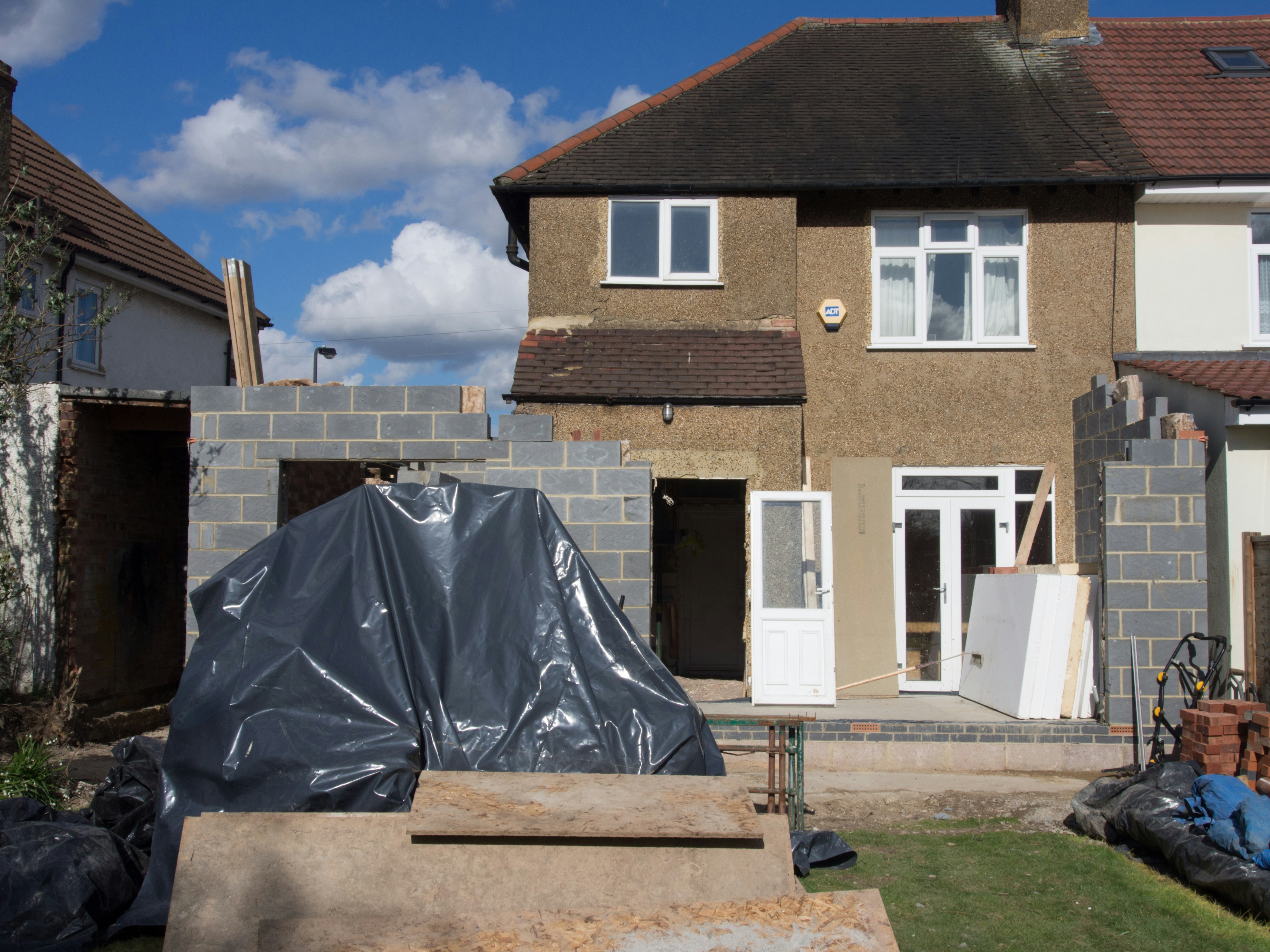
Addressing these issues early on can prevent more extensive and costly repairs in the future. Home renovations can also serve to enhance energy efficiency, which is an increasingly important consideration in today’s environmentally-conscious society. Upgrading insulation, windows, or heating systems often leads to a significant reduction in energy costs while simultaneously fostering a more sustainable living environment.
In today’s rapidly changing lifestyle and design trends, it is essential for homeowners to stay proactive in assessing their properties. By doing so, they can enjoy enhanced comfort and functionality, maintain or increase the home’s resale value, and ultimately protect their long-term investment. Recognizing the early signs of a potential need for home renovation is the first step toward making informed decisions about the future of any property.
Common Signs Your Home Needs Renovation
Home maintenance is crucial for sustaining your property’s value and ensuring your living environment remains comfortable and safe. However, there are specific indicators that suggest a home renovation may be necessary. Recognizing these signs early can save you from extensive repairs and greater expenses down the line.
One of the most noticeable signs of a home in need of renovation is structural issues. Cracks in walls, ceilings, or foundations often indicate underlying problems that should be addressed immediately. These structural concerns not only diminish the aesthetics of your home but can also pose significant safety risks. Homeowners should inspect their premises regularly for any visible cracks or shifts in the foundation that might require professional evaluation.
Outdated designs also highlight the need for renovation. If your kitchen or bathroom feels like a trip to the past, it may be time to consider modernizing these spaces. Upgrading appliances, cabinetry, and fixtures can enhance both functionality and appeal, making your home more enjoyable to live in and more attractive to potential buyers.
Energy inefficiency is yet another compelling reason for a renovation. High utility bills and drafts can indicate that your home’s insulation and windows are not doing their job. Improvements such as installing energy-efficient windows or enhancing insulation can lead to substantial savings in heating and cooling costs, making your home more eco-friendly and cost-effective.
Finally, safety concerns, including outdated electrical systems or potential fire hazards, are critical issues that require immediate attention. If you notice flickering lights or frequent circuit breaker trips, seeking a professional electrician’s help is essential. Identifying these signs early ensures that your home remains a safe sanctuary.
Ignoring the need for home renovation can have a significant impact, leading to more severe consequences that may be both financially burdensome and detrimental to personal safety. Homeowners often underestimate the implications of minor deterioration, such as peeling paint, cracked walls, or outdated plumbing systems. These seemingly harmless signs can develop into major issues that require extensive repairs.
For instance, a study conducted by the National Association of Home Builders reveals that homes that are left unrenovated increase in maintenance costs by 10% each year. This gradual decay can escalate to unexpected disasters: leaky roofs may result in mold growth, while outdated electrical systems could pose fire hazards. Additionally, neglecting even minor renovations can negatively influence property value, which is critical when considering future sales or mortgage applications.
Consider the case of a couple who postponed renovations on their kitchen for several years. Initially, they viewed it as a manageable inconvenience; however, they eventually faced a complete overhaul after a plumbing failure caused extensive water damage. The cost of renovation skyrocketed, reflecting the far-reaching effects of their denial. Such cases underline the necessity of attentive maintenance and prompt renovations.
Moreover, many homeowners do not realize that failure to address renovation needs can be hazardous to personal safety. Structural integrity can be compromised due to overlooked issues such as termite infestations or foundational cracks. In fact, the Insurance Information Institute advises homeowners to systematically assess their properties for deterioration, encouraging timely intervention to prevent serious accidents.
In conclusion, the impact of ignoring home renovation needs extends far beyond aesthetic appeal; it can lead to escalating costs, safety risks, and diminished property values. Homeowners should prioritize timely renovations to protect both their investment and their quality of life.
Planning Your Home Renovation: Steps to Take
When you recognize the signs that your home needs renovation, taking a structured approach is essential for a successful outcome. The first step in the planning process is to establish a realistic budget. Consider the scope of the renovations you wish to undertake, accounting for materials, labor, and possible unexpected expenses. Research average costs for various types of renovations to give a clear picture of what to expect. This financial groundwork will guide many of your subsequent decisions.
Next, consider whether to hire professionals or engage in DIY projects, depending on your skill level and the complexity of the renovation tasks. Hiring professionals for specialized work, such as electrical or plumbing renovations, can ensure safety and conformity to local codes. Investigating contractors, checking their references, and obtaining multiple quotes can help in selecting the right people for the job. Communication is key: clearly articulate your vision to ensure that they understand your preferences and constraints.
Creating a timeline is another crucial component of your renovation plan. Specify start and completion dates for the various phases of the project, allowing for flexibility to address delays that may arise. A well-organized timeline not only keeps the project on track, but it can also reduce stress for homeowners.
Additionally, prioritize your renovation tasks based on necessity and functionality. Identify which areas of your home require immediate attention and which can be addressed later. This prioritization will help you allocate your resources effectively and maintain focus on critical improvements. By thoughtfully navigating these steps—budgeting, hiring professionals, scheduling, and prioritizing—you can embark on your home renovation.
Here’s what clients often value most:
- Reliable project timelines
- Clean and safe job sites
- Transparent estimates and planning
- Quality materials and skilled labor
- Clear, friendly communication